
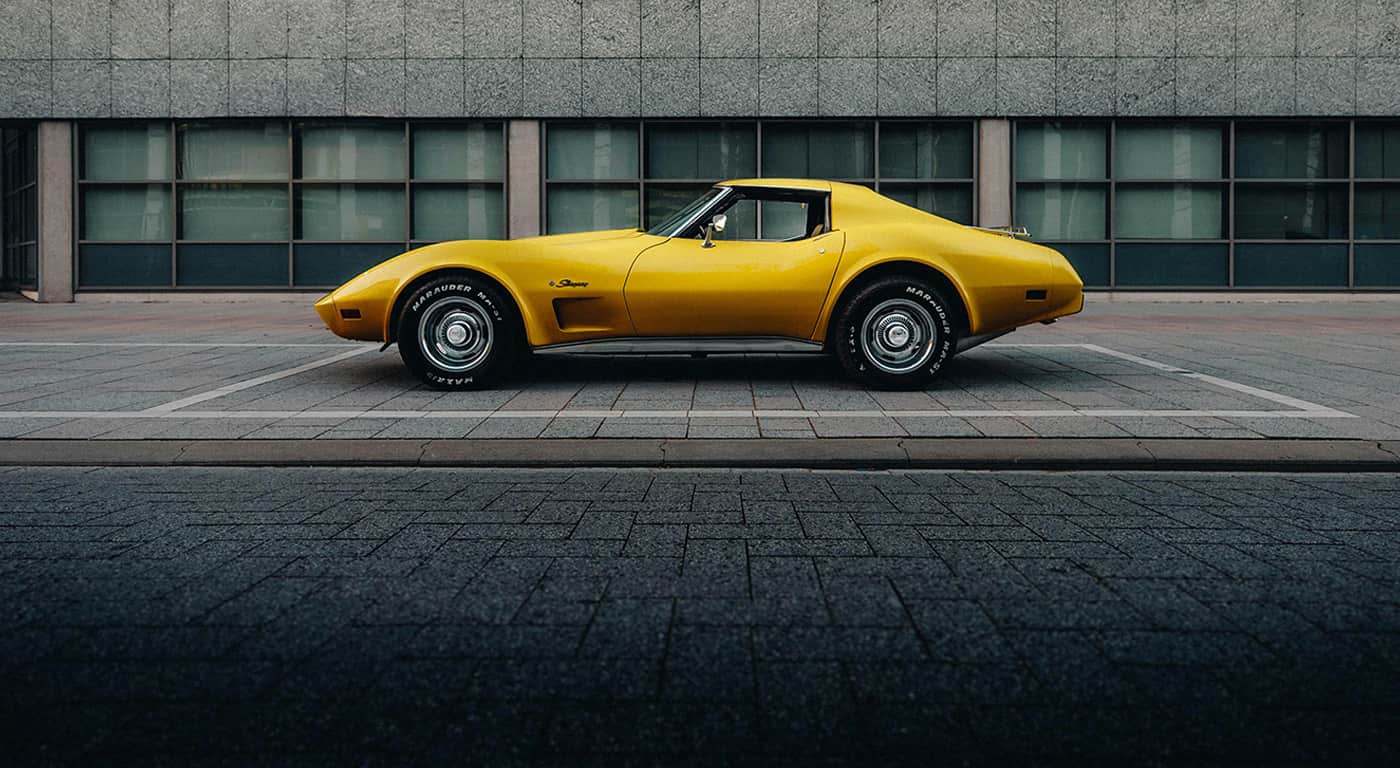

The parking lot outside a small auto show in Daytona Beach last summer had a brand-new Lamborghini, two matte-black Teslas, and a bright orange McLaren parked near the entrance. Almost nobody was crowding around them.
The real attention sat fifty feet away around a faded 1967 Ford Mustang with slightly imperfect paint and an engine that rattled a little during idle.
That surprised me more than it should have.
For all the technology packed into modern cars, vintage vehicles still trigger something emotional that newer models often don’t. People don’t gather around classic cars just because they’re expensive. They gather because those cars feel alive in a way many modern vehicles no longer do.
And honestly, that emotional connection is probably why vintage car collecting keeps growing even while the automotive industry races toward electric, software-heavy transportation.
Modern Cars Became Better — and Somehow Less Memorable
This is the strange contradiction nobody talks about enough.
Modern cars are objectively safer, faster, quieter, and more efficient than older vehicles. A mid-range sedan in 2026 can outperform sports cars from the 1990s in several categories.
Yet many enthusiasts still dream about vintage Mustangs, old Porsche 911s, Chevrolet Bel Airs, Jaguar E-Types, and classic Mercedes roadsters.
Why?
Because older cars feel mechanical.
You hear them.
Smell them.
Fight with them occasionally.
That experience creates attachment.
A vintage car demands participation from the driver in a way modern cars increasingly don’t. Newer vehicles isolate people from the road intentionally — smoother steering, quieter cabins, automated systems, digital dashboards everywhere. Vintage cars feel raw by comparison.
Sometimes frustratingly raw.
But memorable.
Nostalgia Became an Entire Industry
A lot of vintage car collecting is emotional economics disguised as a hobby.
People are often buying memories as much as machinery.
Someone restores a 1970 Chevrolet Chevelle because their father owned one. Another collector hunts down a 1980s Toyota Supra because they grew up seeing posters of it on bedroom walls. Nostalgia has enormous financial power once people reach the stage of life where they finally have disposable income.
That pattern keeps repeating across generations.
What surprised me recently is how younger buyers are entering the market too. It’s no longer only retirees collecting post-war American classics. Millennials and Gen Z enthusiasts are increasingly chasing cars from the late 1990s and early 2000s:
- Nissan Skyline GT-R
- Mazda RX-7
- Acura Integra Type R
- BMW E46 M3
- Toyota Supra Mk4
Cars once considered “used imports” are now becoming collector vehicles.
That shift happened fast.
Vintage Cars Became Status Symbols Again
For a while, luxury culture focused heavily on newness. New supercars. New technology. New designs every year.
Now uniqueness matters more.
Anybody with enough money can lease a modern luxury SUV. Finding and restoring a rare vintage vehicle requires patience, mechanical interest, networking, storage space, and usually a willingness to lose weekends hunting parts online.
That effort gives classic car ownership a different kind of status.
Not louder status.
More personal status.
A beautifully restored vintage Porsche often attracts more genuine conversation than a brand-new exotic car because enthusiasts recognize the time and commitment behind it.
People respect the story attached to older vehicles.
Social Media Accidentally Helped Vintage Car Culture
I underestimated how much platforms like YouTube, TikTok, and Instagram would expand vintage car collecting.
A decade ago, restoration communities felt niche and localized. Now someone rebuilding a rusted 1972 Dodge Charger in a garage can build an audience of millions online documenting the process step-by-step.
That visibility changed everything.
Suddenly younger audiences started seeing restoration work as creative rather than outdated. Car culture became content culture too:
- restoration videos
- barn-find discoveries
- auction reactions
- engine rebuilds
- paint correction clips
- road-trip documentaries
Even people who never plan to own a vintage car still watch this content because the process itself feels satisfying.
There’s something deeply human about watching old machines return to life.
The Market Became Serious Money
Here’s where things get complicated.
Vintage car collecting used to be viewed mostly as a passion project. Increasingly, it’s also becoming an investment market. Some rare models have appreciated dramatically over the past decade, especially limited-production European sports cars and iconic Japanese imports.
According to Hagerty, collector car values in several categories have remained surprisingly resilient even during periods of broader economic uncertainty.
That doesn’t mean every old car becomes valuable.
Far from it.
A lot of people get this wrong and assume “old equals collectible.” It doesn’t. Rarity, condition, historical significance, originality, and cultural relevance matter far more than age alone.
I’ve seen people pour $38,000 into restoring vehicles worth maybe half that afterward.
The math here is brutal sometimes.
Restoration Is Harder Than Most People Expect
One thing vintage car videos rarely show honestly enough: restoration work is exhausting.
Parts disappear.
Costs spiral.
Projects stall for years.
Paint jobs go wrong.
Electrical systems become nightmares.
A friend of mine spent almost eleven months searching for original trim pieces for a late-1960s Camaro restoration. Another collector abandoned a project entirely after discovering severe hidden rust underneath supposedly “clean” body panels.
That’s the reality behind many glamorous social media clips.
Still, enthusiasts keep doing it.
Because finishing a restoration creates a level of satisfaction that buying something new rarely matches.
Electric Vehicles Might Increase Interest in Vintage Cars
This sounds backward initially, but I think EV growth may actually strengthen vintage car culture long term.
As roads become dominated by quieter, software-controlled electric vehicles, older gasoline-powered cars may feel even more emotionally distinct. Manual transmissions, analog gauges, loud engines, and mechanical driving experiences could become more desirable precisely because they’re disappearing.
Collectors often value things society is leaving behind.
Vinyl records.
Mechanical watches.
Film cameras.
Vintage cars fit that same pattern.
Not because they’re more practical.
Because they feel different.
What Keeps Pulling People Back
Most vintage car enthusiasts understand the hobby is irrational financially.
That’s not the point.
Nobody spends two years restoring a 1965 Corvette because it’s the most logical transportation decision available. They do it because certain machines carry personality, history, and memory in ways modern products increasingly don’t.
That emotional connection survives economic cycles, technology changes, and shifting trends surprisingly well.
Standing near that old Mustang last summer, I noticed something interesting: people weren’t talking about horsepower numbers much. They were telling stories. Road trips. Family memories. First cars. Engines they regretted selling years ago.
That’s really what vintage car culture preserves.
Not just automobiles.
Memories attached to them.
