
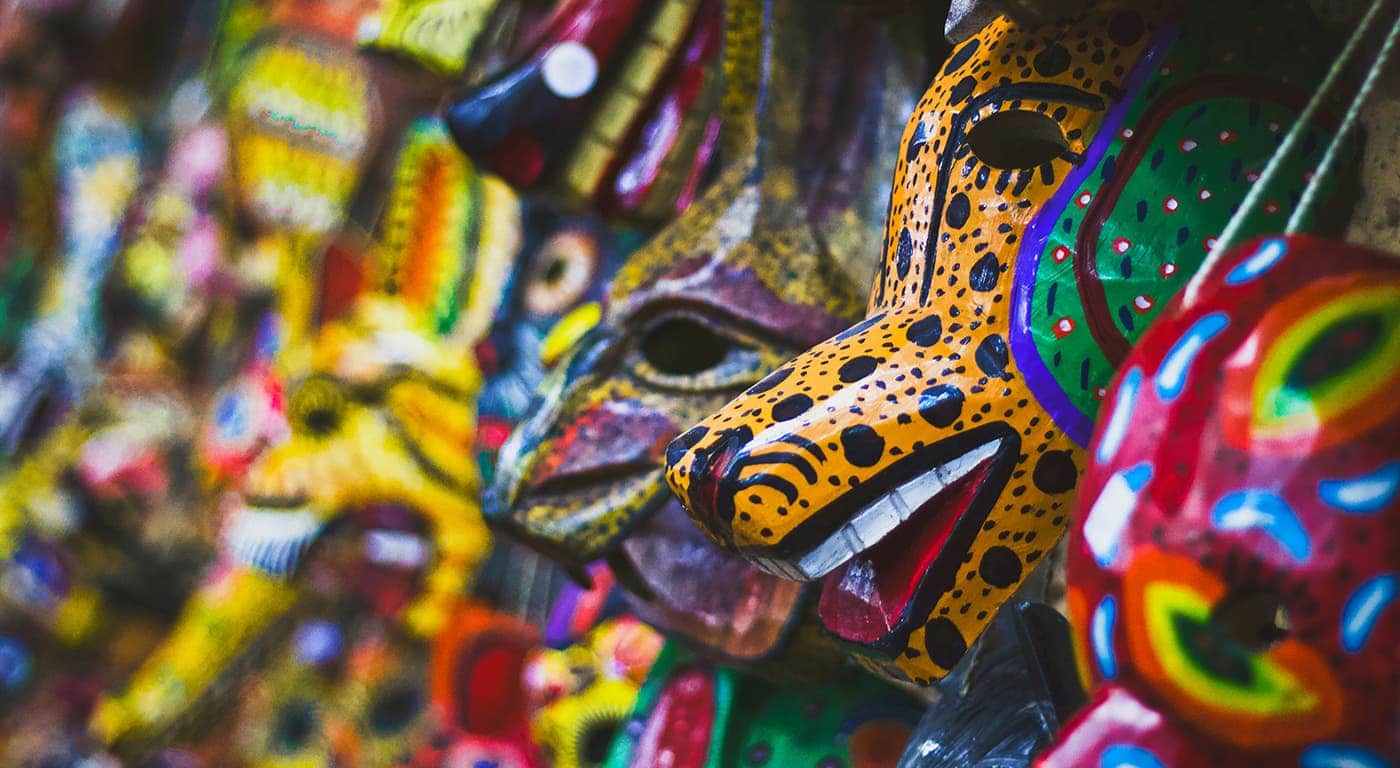

A crowded night market in Bangkok smells completely different from a winter festival in Germany or a family gathering during Diwali in India. Different music. Different food. Different rhythms of conversation. Different ideas about community, celebration, and identity.
Yet every culture, no matter how distant geographically, seems to share one thing in common: people want traditions that make life feel meaningful and connected.
That realization stuck with me after spending time researching how communities preserve cultural identity across generations. Modern technology made the world feel smaller in many ways, but cultural traditions still shape how people experience family, religion, food, fashion, celebration, and even daily routines.
And honestly, that diversity is probably one of the most interesting parts of human society.
Traditions Usually Begin With Survival or Community
A lot of modern traditions started for very practical reasons originally.
Harvest festivals celebrated successful crops.
Seasonal ceremonies marked weather changes.
Religious gatherings strengthened communities during unstable periods.
Shared meals reinforced family bonds and cooperation.
Over time, practical rituals became emotional and cultural identity markers.
That’s why traditions often survive long after their original purpose changes. People continue practicing them because traditions create continuity between generations. They remind communities where they came from historically.
Food traditions are a perfect example.
A recipe passed down through grandparents may carry:
- migration history
- regional ingredients
- religious influence
- economic history
- family memory
all inside a single meal.
That’s more than cooking.
It’s cultural preservation.
Festivals Reveal What Cultures Value
One thing I noticed while researching global traditions is that public celebrations often reflect what societies prioritize emotionally.
For example:
- Lunar New Year celebrations emphasize renewal, family unity, and prosperity in many East Asian cultures.
- Diwali highlights light, spirituality, and triumph over darkness across parts of South Asia.
- Día de los Muertos in Mexico approaches remembrance and death with an emotional tone very different from many Western traditions.
- Thanksgiving in the United States centers heavily around food, family gatherings, and historical mythology.
Festivals become cultural mirrors.
They reveal how societies think about:
- family
- spirituality
- history
- community
- grief
- success
- belonging
And honestly, some traditions survive precisely because they offer emotional stability during periods of rapid social change.
Clothing and Fashion Carry Cultural Identity
Fashion is not just aesthetics.
Traditional clothing often communicates:
- social status
- regional identity
- religion
- ceremonial importance
- family heritage
A kimono in Japan, a sari in India, Scottish kilts, Middle Eastern embroidery, African wax-print fabrics, Indigenous beadwork — these styles carry historical meaning far beyond appearance alone.
What fascinates me is how modern fashion constantly borrows from traditional cultural design globally. Sometimes respectfully. Sometimes carelessly.
That tension around cultural appreciation versus appropriation became much more visible online over the last decade because global fashion spreads instantly now through social media.
People increasingly protect cultural symbolism more actively once they feel traditions are being commercialized without understanding.
Language Shapes Cultural Thinking
This part surprised me honestly.
Language does not simply describe culture. It shapes how people think socially.
Different languages prioritize different forms of:
- politeness
- emotion
- hierarchy
- humor
- respect
- storytelling
Some cultures communicate more directly. Others value indirect communication to preserve harmony socially. Even eye contact, silence, gestures, and physical distance vary dramatically across regions.
That’s why cross-cultural misunderstandings happen so easily even when people have good intentions.
Behavior that appears respectful in one culture may feel rude somewhere else entirely.
Modern globalization increased interaction between cultures constantly, but genuine cultural understanding still requires more than translation apps or internet exposure.
Food Connects People Faster Than Almost Anything Else
Food may be one of the strongest cultural bridges globally.
People who disagree politically, religiously, or socially often still connect through shared meals surprisingly quickly. Restaurants, street markets, family dinners, and traditional cooking practices preserve cultural memory in deeply emotional ways.
I think this explains why immigrant communities often protect food traditions so strongly after moving to different countries. Recipes become portable identity.
A family meal can preserve language, history, and belonging simultaneously.
And honestly, food often introduces people to unfamiliar cultures more successfully than textbooks ever could.
Globalization Changed Cultural Traditions
The internet, tourism, migration, and global media transformed cultural exchange dramatically over the last twenty years.
Now trends spread worldwide almost instantly:
- Korean music influences global fashion
- Japanese anime shapes Western art styles
- American entertainment dominates international streaming
- African music trends spread through TikTok
- Latin music influences worldwide pop culture
This creates exciting cultural blending obviously.
But it also creates fears about cultural dilution. Smaller regional traditions sometimes struggle to survive commercially against globally dominant entertainment industries and digital platforms.
That tension feels increasingly important culturally.
Younger Generations Are Redefining Tradition
One thing I keep noticing is that younger generations rarely reject tradition completely.
Instead, they reinterpret it.
Modern cultural identity often blends:
- traditional values
- digital culture
- global influence
- modern social attitudes
A person may celebrate traditional religious festivals while also participating heavily in global internet culture daily. Identity became layered rather than singular in many parts of the world.
That flexibility helps traditions survive instead of disappearing entirely.
Cultures evolve constantly.
They always have.
Travel and Technology Changed Perspective
A century ago, many people lived their entire lives exposed mostly to local traditions and regional culture.
Today someone can watch videos from Morocco, order Korean food, listen to Nigerian music, study Japanese art, and talk to people across multiple continents within a single afternoon online.
That level of exposure changes perspective enormously.
It increases curiosity.
Sometimes misunderstanding too.
But also empathy.
People often become less fearful of unfamiliar cultures once real human interaction replaces stereotypes.
That matters more than many political conversations acknowledge honestly.
What Traditions Really Protect
Most traditions survive because they help people feel connected:
- to family
- to history
- to community
- to memory
- to identity
Modern life changes incredibly fast now. Technology, politics, economics, and social expectations evolve constantly. Cultural traditions often provide emotional continuity inside all that instability.
The crowded market in Bangkok, the German winter festival, the Diwali celebration — they all look completely different externally.
But underneath, people are usually searching for the same thing:
belonging.
That may be the most universal tradition of all.
